About the Lab
Our Research Environment & Technology
The TISS Sports Biomechanics Lab is dedicated to advancing athletic performance through precision measurement and analysis. Our facility bridges the gap between lab-based science and field-ready applications.
Explore the 6 Functional Zones & Floor Plan
Interactive SVG spatial map covering Zone A (3D Motion Capture) to Zone F (Multi-station Training), equipment telemetry, and photo galleries.
Research Facilities
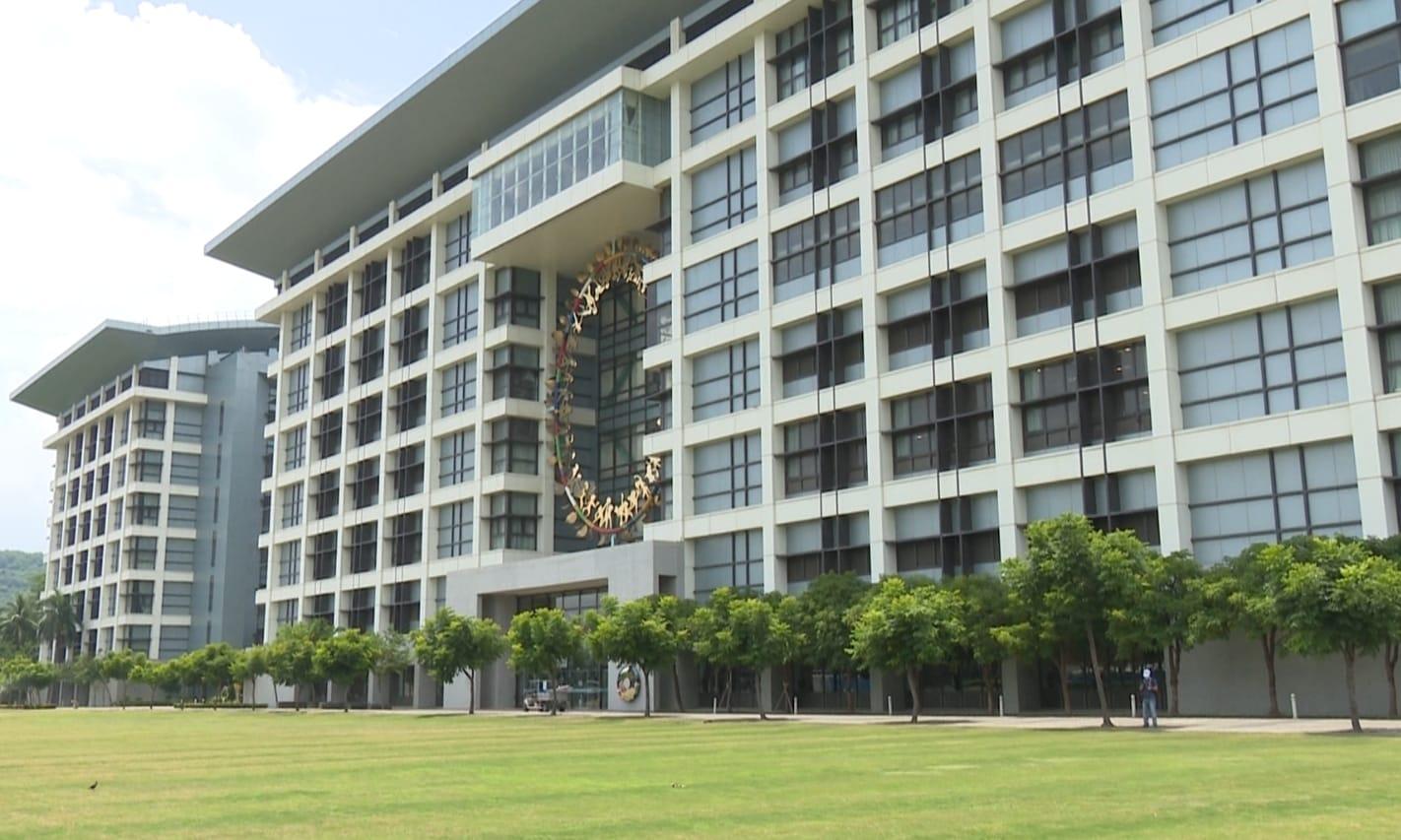
Taiwan Institute of Sports Science (TISS)
Primary research and athletic testing hub at the Taiwan Institute of Sports Science (TISS), located in the Ball Games Gymnasium 1F West Wing.

National Training Environment
Equipped with world-class facilities for comprehensive athletic development and scientific testing.
Advanced Instrumentation

3D Motion Analysis
Multi-camera optoelectronic system for high-speed tracking of rowing and cycling kinematics.
Force & Torque Sensing
Custom instrumentation for land and water rowing, measuring blade forces and seat dynamics.

EMG & Muscle Dynamics
High-density wireless EMG systems for mapping muscle recruitment during elite athletic movements.
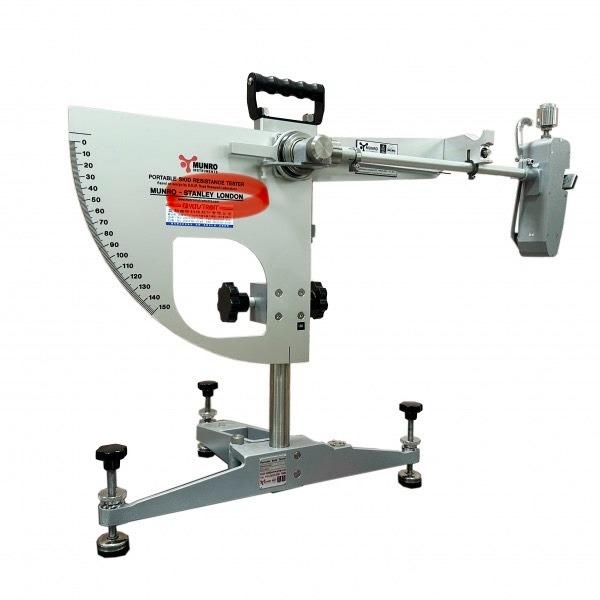
Surface Skid & Friction Tester
Standardized British Pendulum Tester (Munro) for measuring surface friction, traction, and skid resistance across athletic tracks and sports surfaces.
Sports Surface Mechanical Testing Suite (ISSS / ISO 17025)
Standardized testing suite including Munro Digital Pendulum, ZwickRoell Shore A durometer, and Deltec Advanced Artificial Athlete (5A) for PTV, hardness, force reduction, and vertical deformation.
OptoJump & Witty Wireless Timing
High-precision optical LED bars and multi-gate wireless photocells for vertical jump mechanics, sprint acceleration, and neuromuscular fatigue monitoring.
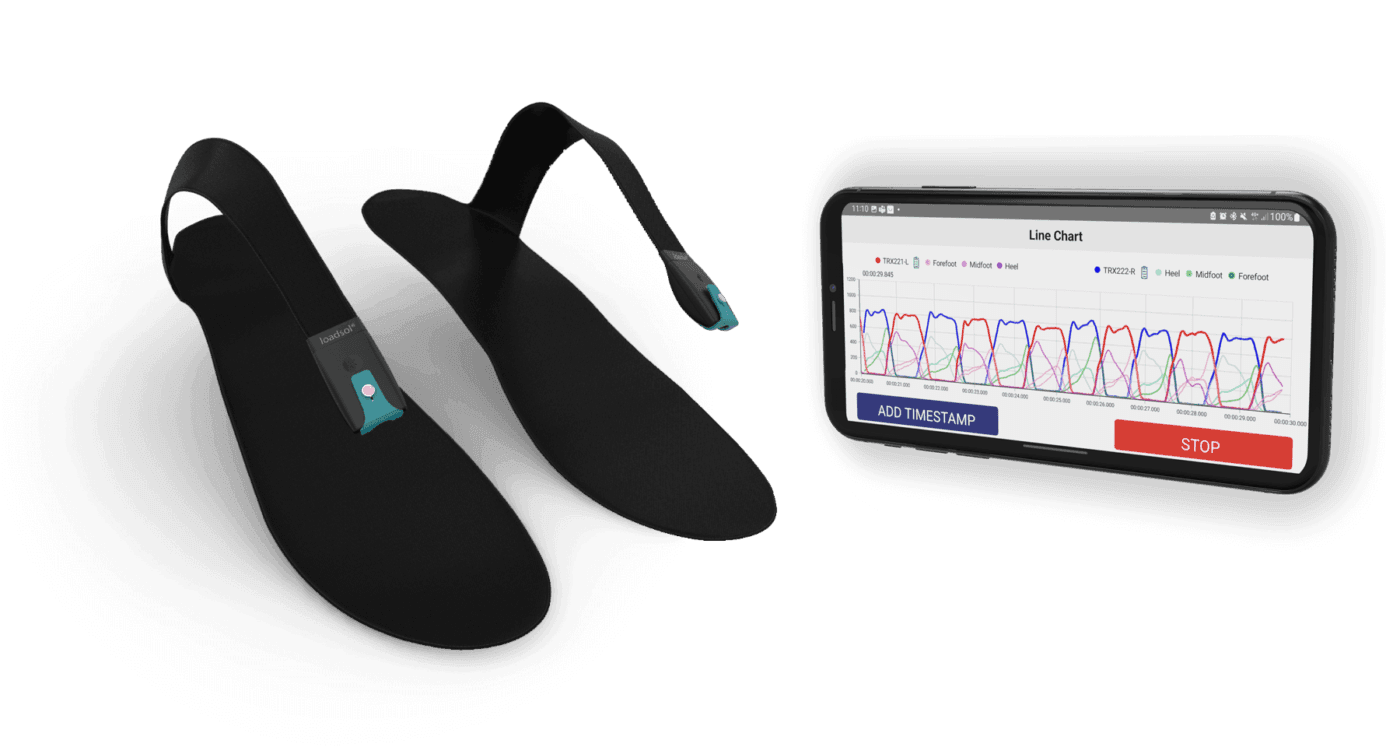
Tekscan ConForMat & Novel Dynamic Pressure
Flexible sensor matrices capturing ischial tuberosity (seat) contact pressure, handlebar grip, and plantar force distribution during rowing and cycling.
Biodex Isokinetic & MicroFET2 Dynamometry
Laboratory isokinetic dynamometry and handheld digital load sensors for joint torque profiling, muscle strength ratios, and bilateral balance.
Research Focus Areas
Precision
Kinematics
Kinematics — the study of motion itself, independent of the forces causing it — is captured in the lab through the SIMI 3D motion analysis system and Noraxon IMUs. It's the foundation for understanding stroke mechanics, joint coordination, and bilateral symmetry across the lab's rowing and cycling research.
Dynamics
Force Analysis
Force analysis looks at what's driving the motion — blade forces, seat dynamics, and ground reaction forces captured via the AMTI force plate and Novel pressure sensors. Force–time curves and rate-of-force-development (RFD) data from this work directly inform the lab's land-to-water performance prediction model.
Innovation
Product Design
Dr. Chen's background spans medical device development and infant safety product design, brought to bear on translating lab findings into physical training and protective equipment. Recent examples include two patent submissions — an impact-resistant protective pad and an IMU patch — bridging elite training with rehabilitation monitoring.
Health
Injury Prevention
Injury prevention runs through most of the lab's work, with a particular focus on back pain in rowing and sculling athletes. By tracking bilateral symmetry, joint coordination, and muscle recruitment over time, the goal is to catch early warning signs — technique changes that precede pain — rather than reacting after an injury has already occurred.
Standards & Safety
Sports Surface Science & Field Safety
As part of TISS's application for International Association for Sports Surface Sciences (ISSS) Scientific Body membership and ISO/IEC 17025 laboratory compliance, the lab directs the 39-month Kaohsiung Region Pilot Study (2026–2029) evaluating track friction (Munro British Pendulum, EN 13036-4 / ASTM E303), surface hardness (Shore A, ISO 48-4:2018), and dynamic shock absorption (Deltec Artificial Athlete, EN 14808 / EN 14809). Research centers on developing empirical temperature-performance compensation models for polyurethane (PU) running tracks under subtropical climates and establishing national testing standards.
Evaluation
Athlete Performance & Fatigue Monitoring
Integrating 3D motion kinematics, force plates, OptoJump optical bars, and Witty wireless timing, the lab provides systematic performance evaluations for elite teams. Key metrics include Eccentric Utilization Ratio (EUR), Reactive Strength Index (RSI), Bilateral Deficit (BLD), and Force-Velocity Profiling (FVP), coupled with wireless EMG to monitor neuromuscular fatigue progression and guide coach load modulation.
Laboratory Infrastructure & Gallery
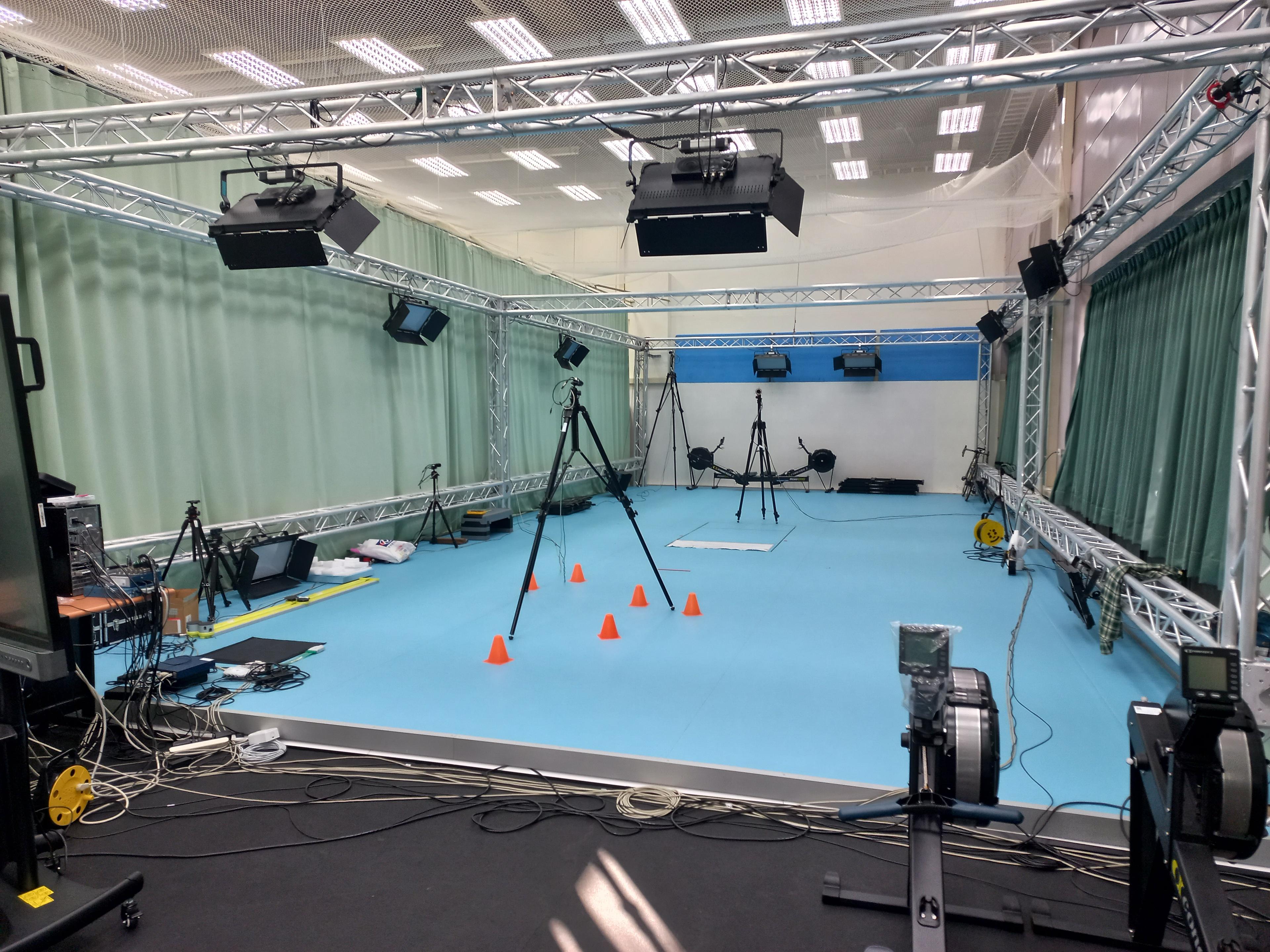
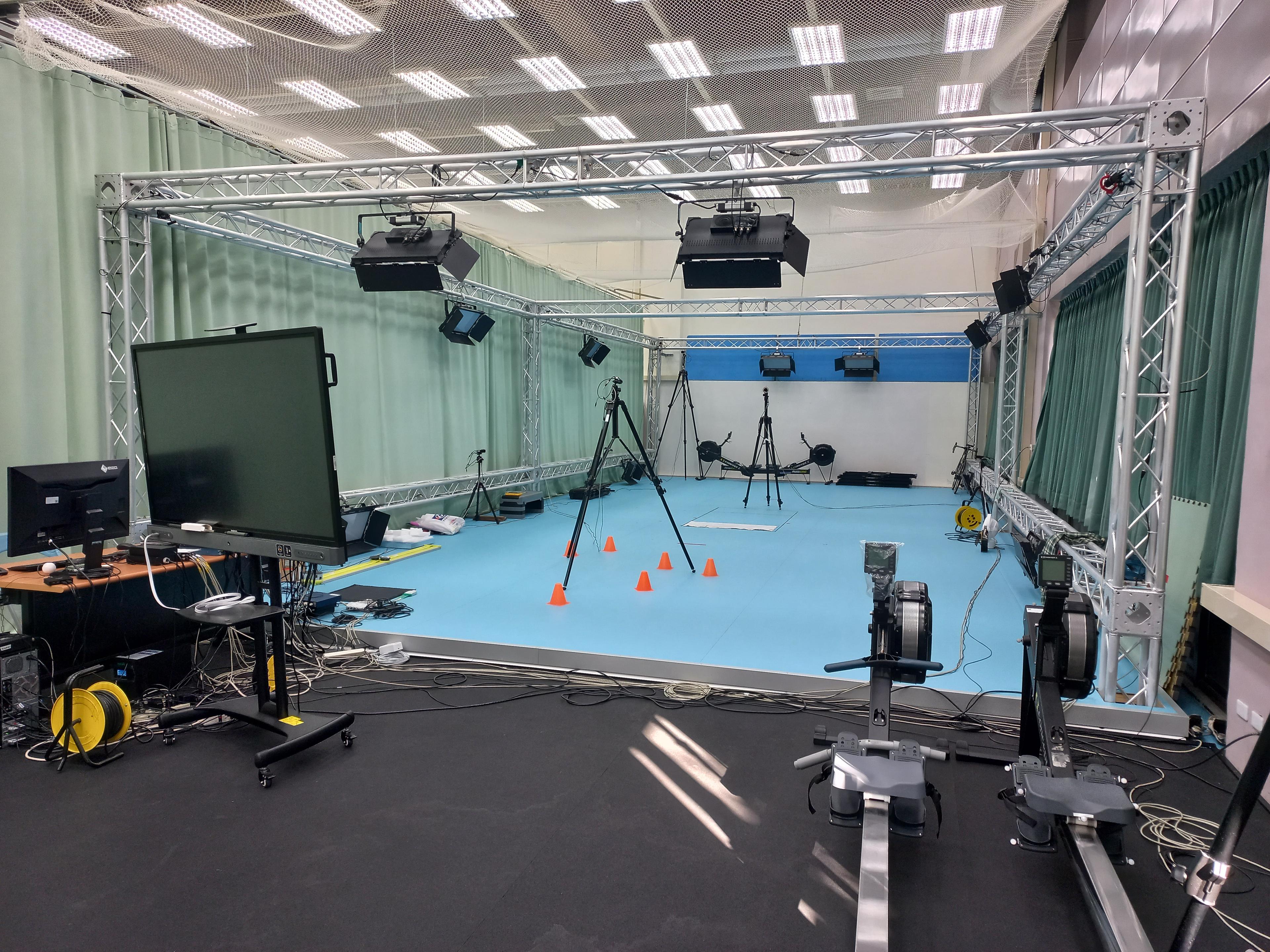
Located in the Ball Games Gymnasium 1F West Wing, featuring an elevated optical runway, integrated AMTI plates, and professional flicker-free lighting.
7m × 15m 3D Runway & Optical Area
12.5 cm elevated floor with 2-4mm force plate tolerance and specialized sports surface.
AMTI Flush-Mounted Force Plates
4 embedded AMTI force plates capturing tri-axial ground reaction forces and CoP.
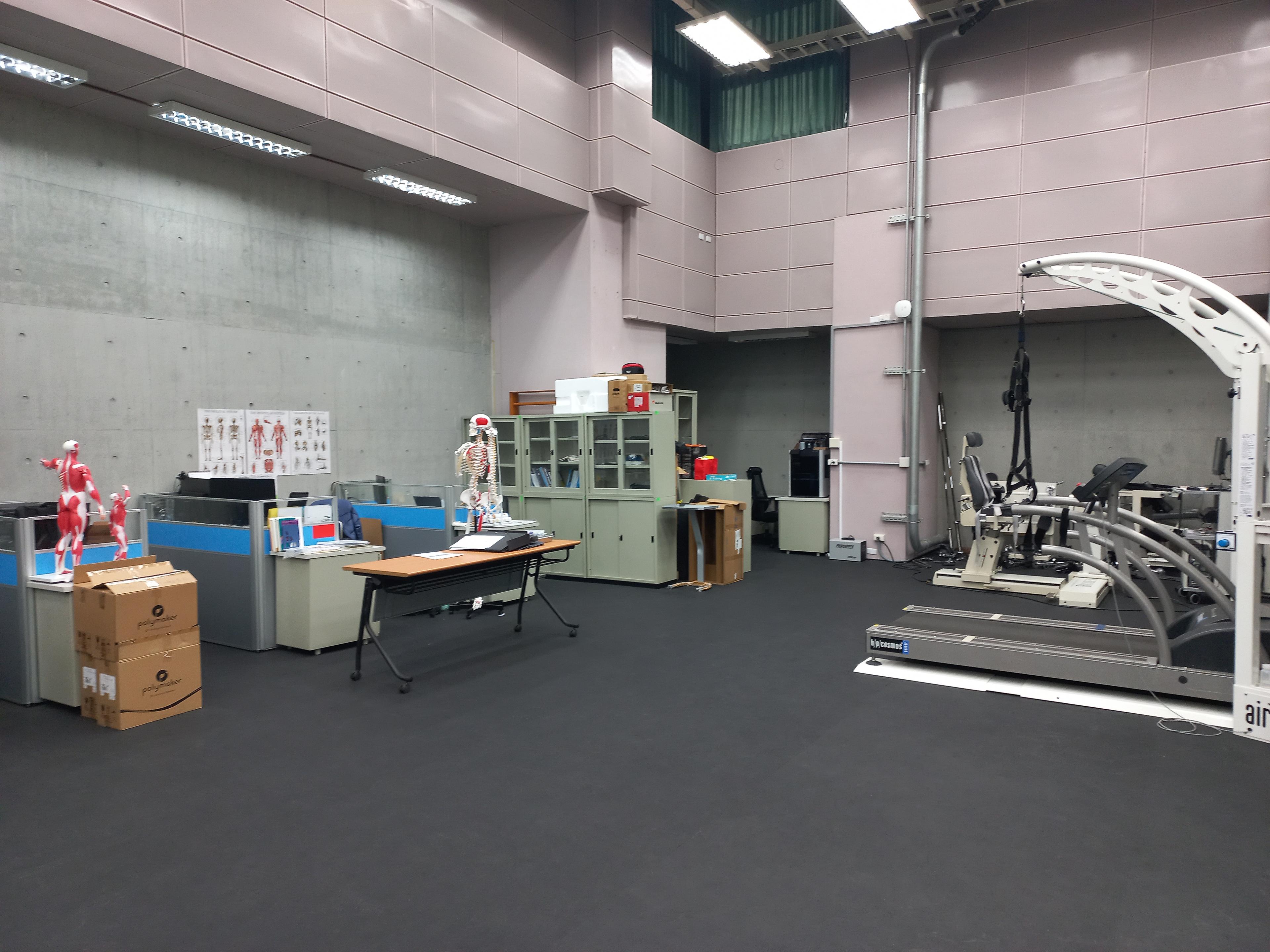
12-Unit Flicker-Free High-Speed Lighting
High-illuminance flicker-free lighting rig ensuring high-frame-rate optical clarity.
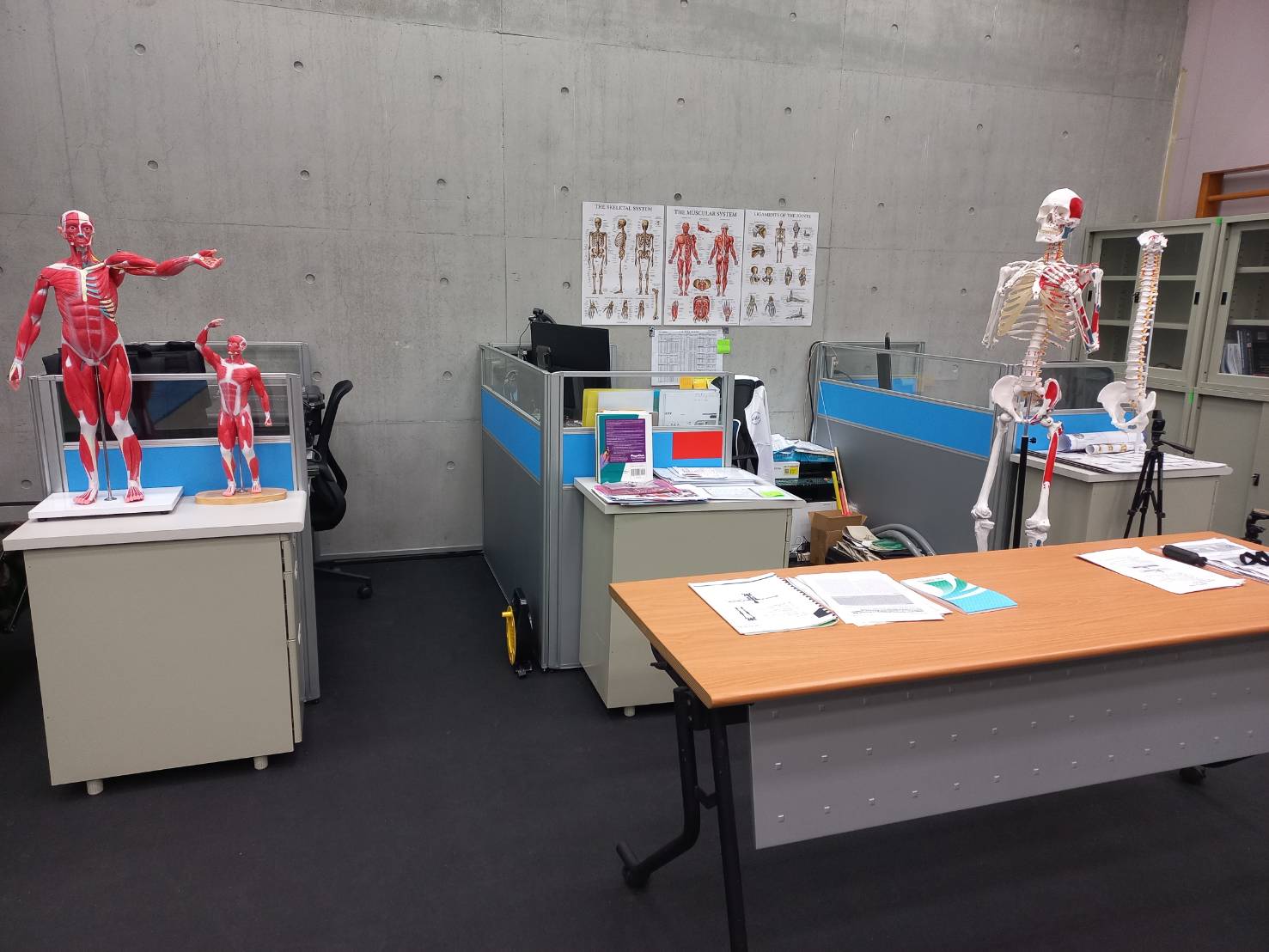
Biomechanical Skeleton & Setup Station
Anatomical reference models for motion capture calibration and athlete education.
Munro UKAS British Pendulum Skid Tester
Standardized surface friction tester adhering to ISSS, EN 13036-4, and ASTM E303 standards.
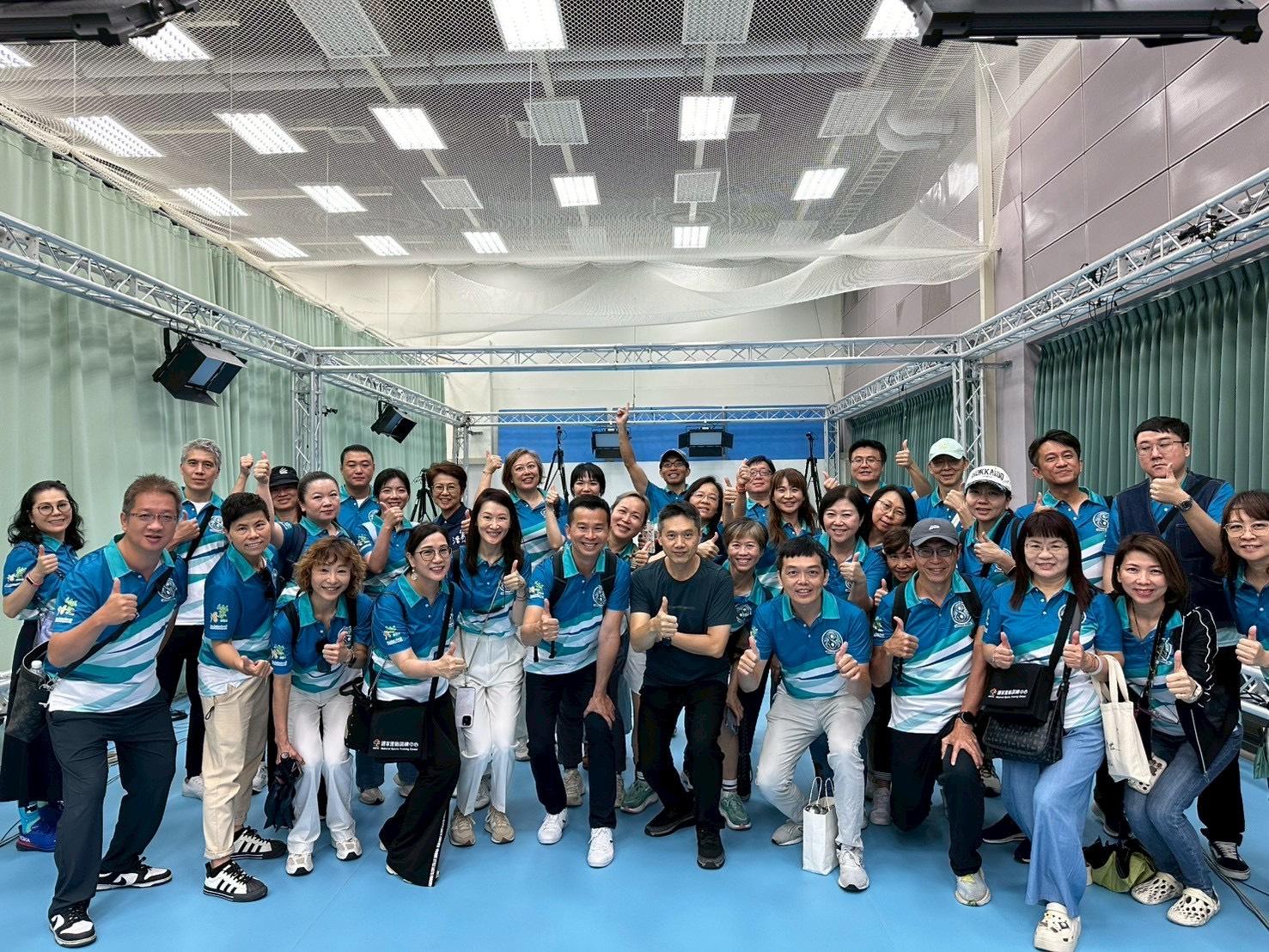
Research Assistants & Student Group
Multidisciplinary team supporting elite national training teams and field tests.